Volume vs. Price: The One Chart Combo Every Trader Should Check First
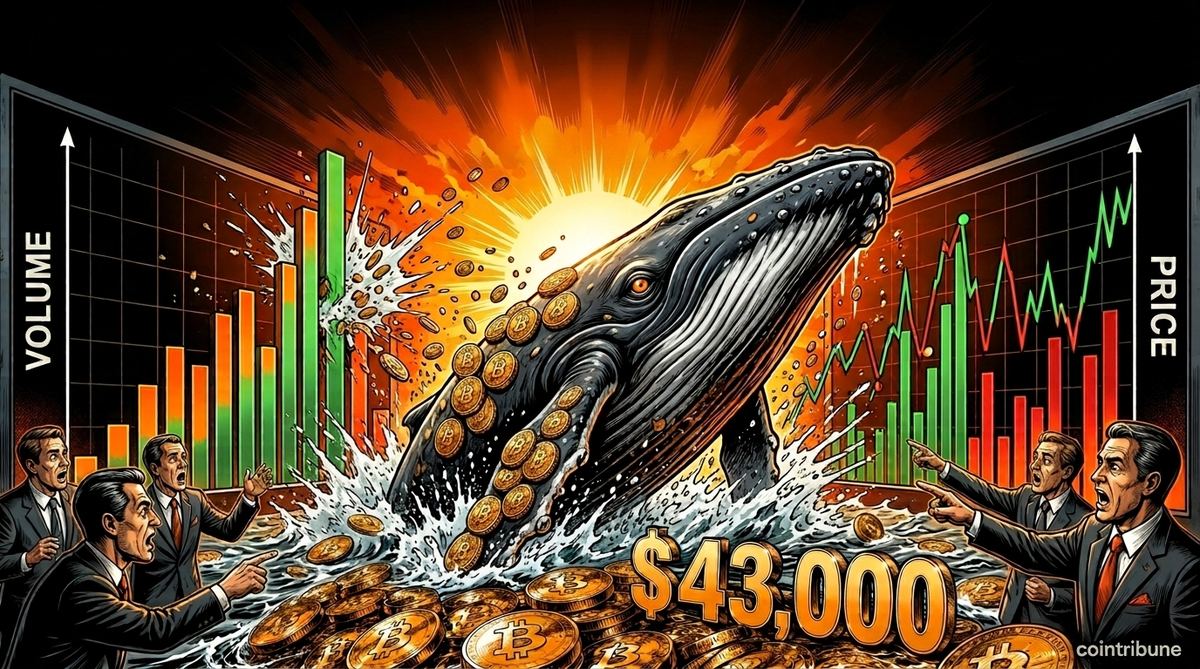
If you only had to check two numbers before forming an opinion on a crypto asset's recent move, price change and volume would be the two — and critically, they need to be read together, not separately.
Price without volume is a rumor
A price move tells you direction and magnitude. It does not tell you how many people, or how much capital, actually participated in creating that move. A large price swing on very low volume can be the result of a handful of trades in a thin order book — technically real, but not necessarily representative of broad market conviction.
Volume without price is just noise
The reverse is also true. High trading volume with barely any price change usually means a fierce tug-of-war between buyers and sellers at roughly the same level — a lot of activity, but no clear resolution yet. Volume alone doesn't tell you which side is winning; you need the price change alongside it to know that.
Four combinations worth recognizing
Rising price with rising volume generally reflects a move with real participation behind it. Rising price with falling volume can suggest the move is losing steam even as it continues. Falling price with rising volume often signals more decisive, conviction-driven selling. Falling price with falling volume can mean a decline is running out of sellers rather than reversing outright. None of these four patterns is a signal to act on by itself — they're a starting lens, not a rulebook.
Where to actually check both at once
Every entry across Top Gainers, Top Losers, and the heatmap's hover tooltip shows price change and volume side by side for exactly this reason — so you're never looking at one without immediate access to the other. The volatility explainer goes deeper into why this combination matters so much specifically in crypto markets.
The habit worth building
Before reacting to any single percentage number, get in the habit of asking "what did volume do here?" It takes an extra second and it's the difference between reading a market and reading a headline.
Why this matters more for smaller-cap assets
The volume-price relationship is especially important to check for lower-cap coins, where a relatively small trade can produce a large percentage move precisely because there isn't much volume backing the order book. A large-cap asset generally needs substantial volume to move meaningfully, so a big price change there is more likely to already reflect real participation. For smaller coins, checking volume isn't optional context — it's often the difference between a move that reflects the market and one that reflects a handful of trades.
Putting it into practice on CryptoHeat
The fastest way to build this habit is to make it part of however you already scan the market. If you start with the heatmap, hover any tile before clicking through — the tooltip shows price change and volume together. If you start with ranked lists, both columns are already side by side. Either way, the goal is the same: never let the percentage be the only number you look at.
← Back to Blog