Ethereum’s Glamsterdam Upgrade Could Break Some Smart Contracts
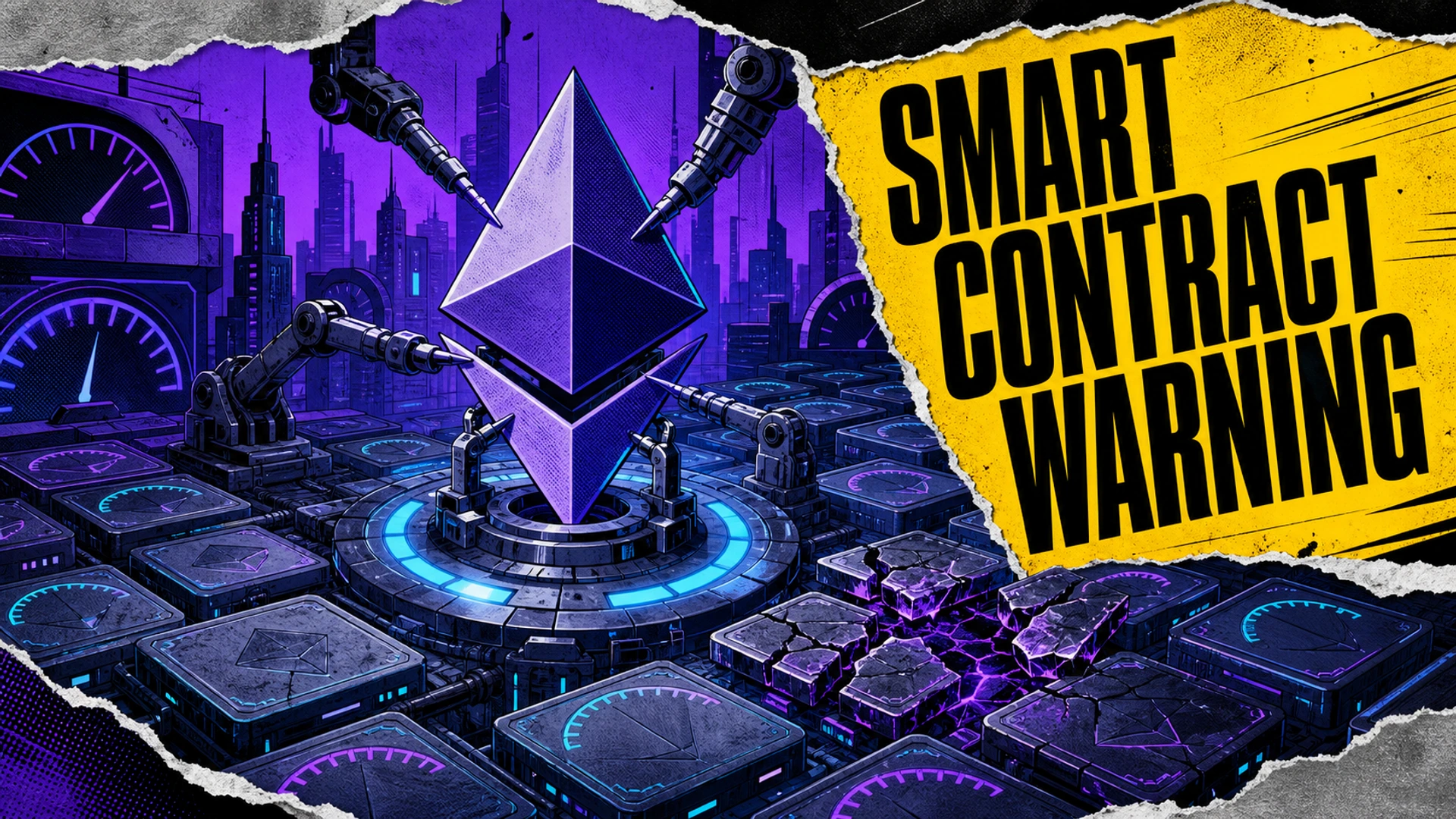
Ethereum’s next major upgrade is approaching with a warning for developers: two planned gas-repricing changes can break or degrade a small number of existing smart contracts if teams do not test and update them first. The Ethereum Foundation says most contracts are unaffected, but historical transaction replays identified edge cases that depend on assumptions the new schedule changes.
The issue is not a bug in Ethereum’s current mainnet. It is a compatibility risk created by deliberately changing what certain state operations cost. That distinction matters because the repricing is intended to keep Ethereum sustainable as gas limits rise, yet even technically sound protocol changes can expose brittle application logic.
What Glamsterdam is changing
EIP-8037 raises and harmonizes the cost of creating new state, including accounts, storage slots, and deployed bytecode. It also meters that work separately. EIP-8038 increases the cost of accessing state through operations such as SSTORE, SLOAD, cold-account access, EXTCODESIZE, and EXTCODECOPY.
Ethereum last broadly adjusted state-operation pricing in the Berlin upgrade in 2021. Since then, the state has grown and network teams have pursued higher gas limits. The new schedule aims to make gas costs track the actual computational and storage burden more accurately.
That is important for network resilience. If an operation is underpriced, blocks can become more expensive for nodes to process than the gas charge implies. Repricing reduces that mismatch, but it also changes the execution budget available to contracts that assumed yesterday’s costs.
Which contracts could run into trouble?
The Ethereum Foundation’s replay analysis found that the large majority of contracts continue to work. The flagged group includes transactions that operate unusually close to their gas limit, contracts with hard-coded gas stipends, and tooling built around assumptions that particular operations will remain cheap.
Many failures can be fixed by increasing a transaction’s gas limit. Others may require code or integration changes. Wallets, indexers, gas estimators, relayers, and infrastructure providers also need to test because their assumptions affect users even when the underlying contract remains valid.
The risk is therefore concentrated rather than market-wide. It would be misleading to say Glamsterdam will broadly “break Ethereum.” The accurate conclusion is that a small but real compatibility surface exists and that affected teams have been given an early testing window.
Platåberget is the early proving ground
The public Platåberget testnet is designed to run for several months and give validators, builders, wallets, and application teams a stable environment for post-Glamsterdam testing. It includes broader consensus changes as well as repricing work, making it more useful than a short-lived internal devnet.
The testnet is intentionally meant to be stressed. Developers can replay transactions, inspect failures, adjust gas limits, and verify whether their systems still produce accurate estimates. After sufficient stability, Glamsterdam is expected to move through Ethereum’s longer-lived Sepolia and Hoodi testnets before mainnet.
Readers tracking ETH’s market reaction can use the CryptoHeat Ethereum page. The live heatmap helps show whether ETH-specific news is moving the wider smart-contract sector or remaining isolated.
Why the repricing can be constructive
The bullish interpretation is that Ethereum is addressing state growth before higher throughput makes the problem harder. Better alignment between gas charges and real node work can support safer capacity increases and reduce the risk that attackers exploit underpriced operations.
Early disclosure is also a positive engineering signal. Publishing an impact checker, replaying historical transactions, contacting affected builders, and opening a public testnet gives teams time to adapt instead of discovering incompatibilities at mainnet activation.
Glamsterdam also extends beyond gas pricing. Its consensus changes include enshrined proposer-builder separation, a major architectural shift intended to formalize how block construction and proposal roles interact. That makes careful testing more important than price-focused headlines suggest.
The bearish and operational risks
Any upgrade that changes execution economics can produce unexpected failures. A contract that works in ordinary testing may fail only under a specific call path or gas configuration. Third-party services can also create indirect problems if their estimators or relayers lag behind.
There is reputational risk if users encounter failed transactions after activation, even when the protocol behaves exactly as specified. Developers therefore need to treat the warning as an operational deadline rather than assume “small number” means “someone else’s problem.”
Short-term ETH price moves may say little about whether the upgrade succeeds. CryptoHeat’s volume and price guide can help distinguish a durable repricing of expectations from a thin headline reaction, while the trending-coins view shows where market attention is rotating.
What developers and traders should watch
Developers should run affected contracts through the official impact tools, test on Platåberget, review fixed gas stipends, and confirm that wallets and relayers estimate costs under the new schedule. Traders should watch the testnet sequence, client readiness, and whether mainnet timing changes after issues are found.
The broader CryptoHeat market overview provides context for ETH performance, and the existing DeFi explainer helps clarify why smart-contract compatibility matters across lending, trading, and other onchain applications.
The practical takeaway
Glamsterdam’s repricing is designed to strengthen Ethereum, not disrupt applications. But stronger protocol economics can still break fragile assumptions. The teams that test now have time to make straightforward fixes; the teams that wait risk learning about those assumptions from failed mainnet transactions.
Sources & verification
Primary and supporting sources used to verify the material claims in this article:
- Ethereum Foundation — Glamsterdam repricing impact
- Ethereum Improvement Proposals — Glamsterdam gas repricings
CryptoHeat links to source material so readers can check the underlying announcement, filing, specification, or data directly. If a source is later revised, the current source should take precedence over a summary.
← Back to Blog